


Welcome to Region 01 – London and the South East
Our area covers not just London but also all of the area to the South East of London down to the coast. This was originally two separate administration areas and so is now a mixture of both the tight community of London with the countryside, and many smaller towns and villages. Regardless of where you live, all advertised events are open to you all, along with your family and friends. However it is always advisable to contact the organiser in advance to ensure that someone will be watching out to welcome you.
Our Local Contact for London itself is Rosemary Hammick. Rosemary or the AOUG Office would welcome information about venues in your local neighbourhood which might interest members. Please do contact us at any time with your ideas. Could you organise any events in your area? Perhaps meeting up for coffee or a meal? Visiting a local historic building or attending a local theatre? If you would like to explore an idea before committing yourself, please do get in touch.
Executive Representative
Vacant
Local Contact
London
Rosemary Hammick 020 8688 6629 / 07908 371529
Previous Events
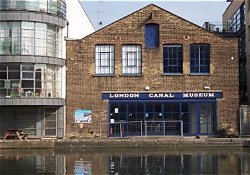
This visit was to the lesser-known London Canal Museum at King’s Cross. The canals were the lifeblood of industry. England’s canal network was essential during the Industrial Revolution. The major cities that benefitted from them were not only London but Manchester and Birmingham to name but a few. They would possibly not be established without them. They were both cheap and reliable transportation for coal, iron, raw materials, food and manufactured goods, and connected inland towns with rivers, ports and industrial centres. This museum was appropriately housed in an ice warehouse built in 1862-3 for Carlo Gatti, the famous ice cream maker. In a nutshell the museum explains how the canals were built, the lives of those who worked on them, horses and cargoes and how they actually worked together.
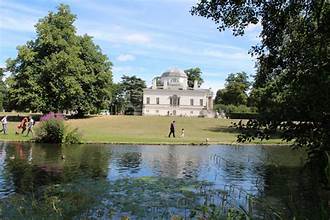
Chiswick House and Gardens are one of the most glorious examples of 18th Century British architecture and landscaped gardens, with over three hundred years of discovery, inspiration and delight.
How did it all begin? Two Georgian pioneers, the architect and designer William Kent and his friend and patron Richard Boyle, the third Earl of Burlington, created the House and Gardens between 1725 and about 1738. They were influenced by their travels on the Grand Tour. They rejected the showy, Baroque style fashionable in England, in favour of a simpler, symmetrical design based on the classical architecture of Italy. Together they broke down the rigid formality of the early 18th Century garden to create a revolutionary, natural-looking landscape. Chiswick, the birthplace of the English Landscape Movement, went on to influence gardens from Blenheim Palace to New York’s Central Park.
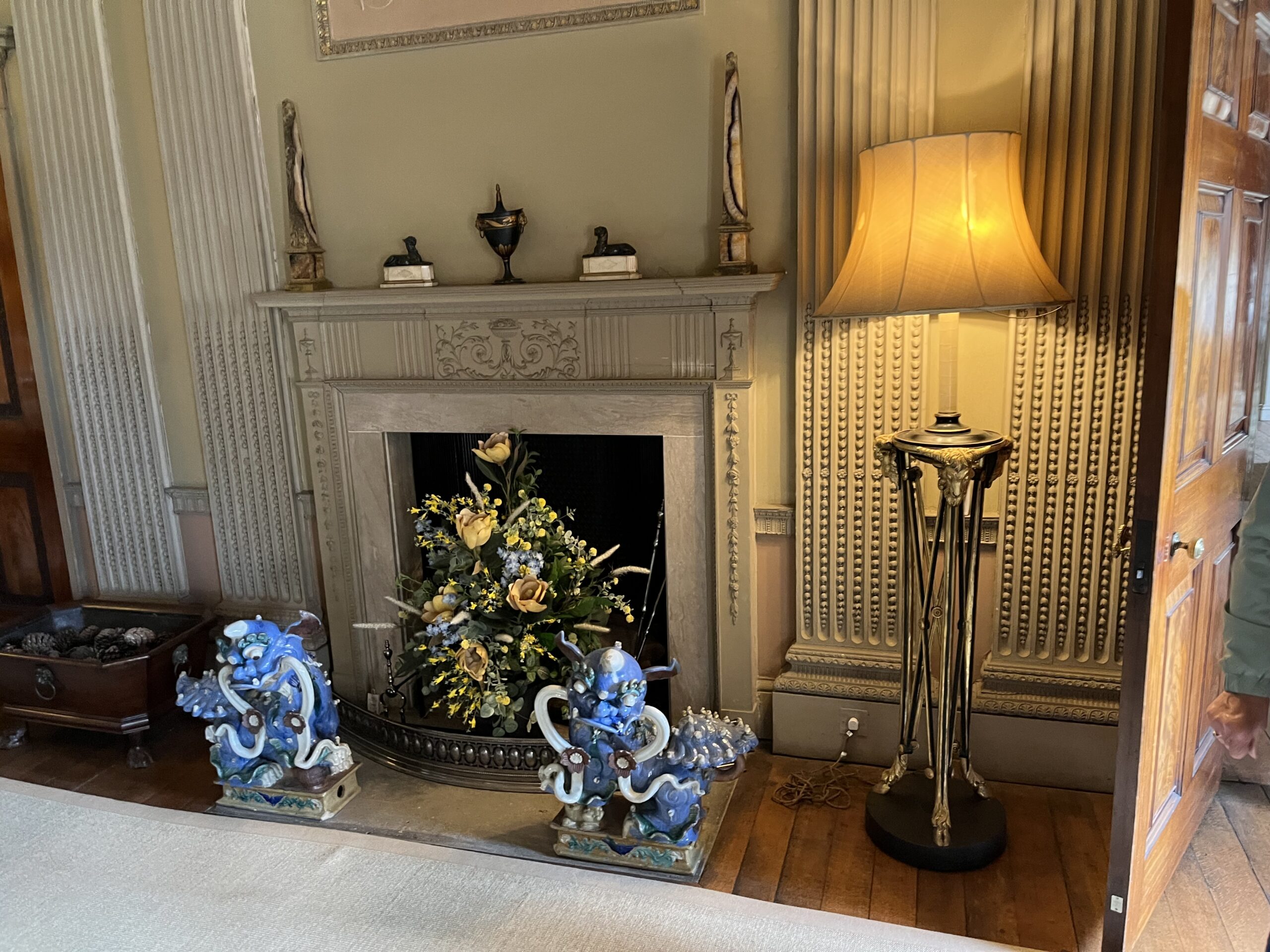
We met in the car park of Basildon House and gardens on a glorious spring day. We firstly visited the house itself which was donated by the family that owned it to the National Trust. The rooms were magnificent. There was a shell room that contained a varied collection of sea shells in ornamental cabinets. A room containing pictures of the twelve apostles by an old master painter. These were very lifelike and extremely valuable I believe. The dining room was set for a formal banquet with five different knives and forks and four small glasses. Even though the glasses were small an attentive waiter would continually fill them. After half an hour in the house we explored the gardens which contained woodland and Spring flowers. It was well worth the visit.
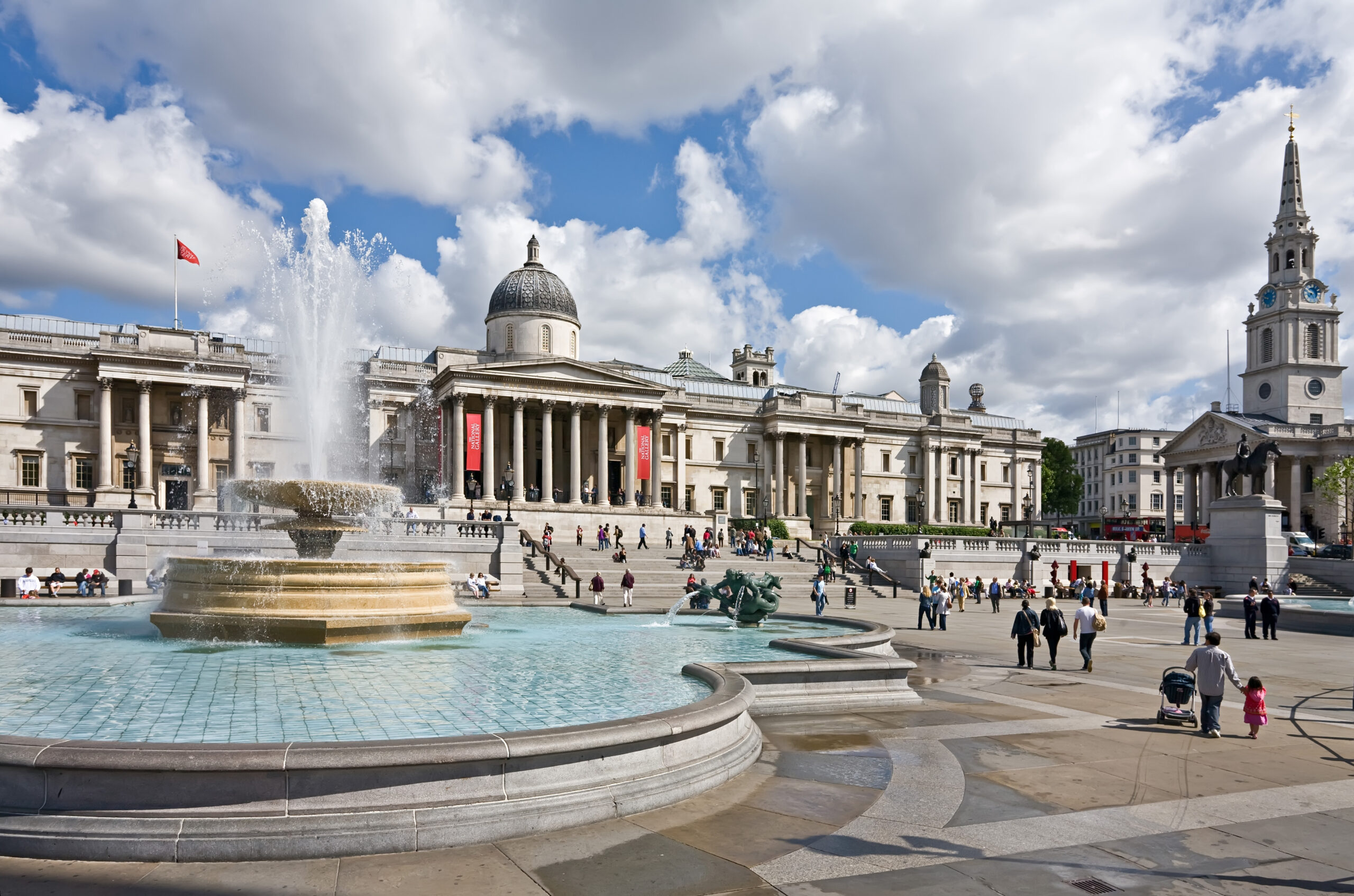
On a lovely bright morning we set off for central London and to Trafalgar square. When we got there, we had a ‘Full English’ breakfast ready for the main event. This was a visit to The National Portrait Gallery. As we crossed the square there was a magician who appeared to be suspended in the air very realistically. I knew from my magic days that he had a pole in his baggy trousers.
Then we entered the gallery itself. This has a remarkable selection of currently over 2,300 paintings which range from mid-13th Century to the early part of the 20th Century. It encompasses much Western European Art from the household names of Leonardo and Botticelli dating from the Renaissance to other famous later masters such as Turner, Monet and Van Gough. Highlights include the famous ‘Sunflowers’. This gallery was founded in 1824 and is now a world-renowned public art collection, freely accessible and room by room different periods. It is very comprehensive and well worth a visit!